

Expert Testicular Cancer Treatment Can Save Your Life
Hearing that you have testicular cancer is frightening and stressful. However, you can rest assured that you are receiving the highest level of care with Dr. Luis Herrera. Board-certified by Consejo Nacional Mexicano de Urología, he is fully trained in open and minimally invasive surgery, specializes in men's health, and can also provide treatment for prostate, kidney, and bladder cancer. Dr. Herrera understands the needs of his patients and the financial burden a cancer diagnosis can have on your life. As such, he is proud to offer affordable testicular cancer treatment in Tijuana, Mexico.
Understanding the Types of Testicular Cancer
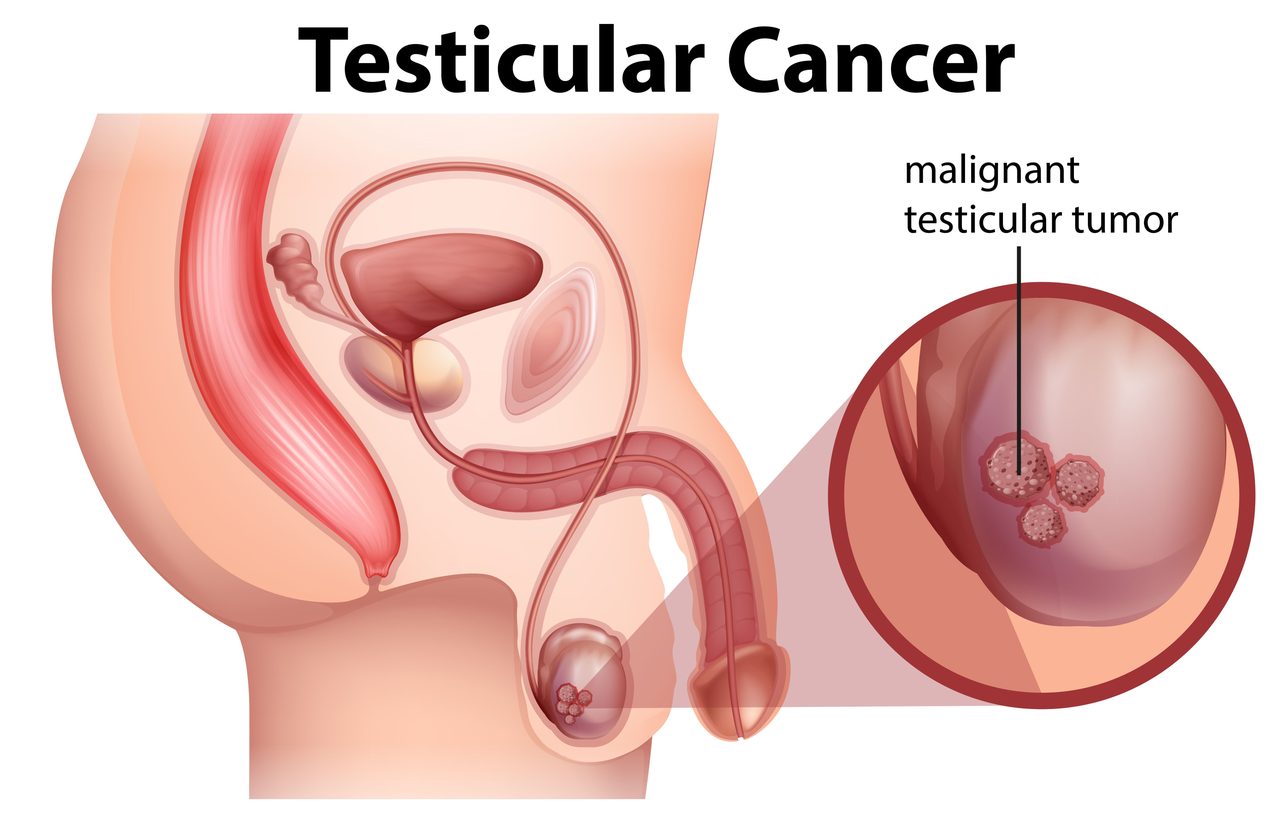
There are two types of germ cell tumors, seminoma and nonseminoma. Seminoma tumors grow slowly and usually remain within the testes. However, in some cases, they may involve the lymph nodes. These tumors are typically highly treatable. Nonseminoma tumors usually develop at an early age, are more aggressive, and often spread to other areas of the body.
Common Signs & Symptoms
Testicular cancer is not always easy to recognize. However, common symptoms include:
- A lump on the testicle or swelling
- A dull ache or a sensation of heaviness in the abdomen or scrotum
- Breast growth or sensitivity
- Early onset of puberty
It is important to note that many of these symptoms can be indicative of other conditions. However, once testicular cancer has advanced, you may begin to experience other side effects as it spreads to other parts of the body.
If it reaches the lymph nodes, you may notice lower back pain. When tumors affect the lungs, patients often experience shortness of breath. Dizziness and confusion can be signs that cancer has spread to your brain. If you are experiencing any of these symptoms, please reach out to us as soon as possible.
Risk Factors
There are several risk factors that may increase your chance of developing testicular cancer, such as:
- A family history of testicular cancer
- An undescended testicle
- A previous instance of testicular cancer
- HIV infection
- Your height
- Age (young and middle-aged men are more prone to the disease)
- Carcinoma in situ (abnormal cells)
In addition, according to a recent study, 49 percent of your risk for testicular cancer is tied to your genetics.
Diagnosis of Testicular Cancer
Diagnosing testicular cancer typically involves several steps. First, your doctor may perform several tests including:
- A physical examination
- Blood tests
- An ultrasound to determine if testicular cancer is present.
If you are diagnosed with testicular cancer, they will then need to determine the stage and outlook of your cancer.
The Importance of Self-Examinations
As with many conditions, early diagnosis is ideal. Regularly performing self-examinations to check for lumps can help you quickly take note of any changes in your body. The American Cancer Society provides a self-evaluation guide that can help you determine whether you need to contact us for an examination.
Your Treatment Options
There are several treatment options for testicular cancer treatment, including:
- Radiation therapy
- Chemotherapy
- Surgical treatment
Dr. Herrera focuses on the surgical aspect of treatment and can provide care in conjunction with chemotherapy.
Skillful Surgical Care
Dr. Herrera can perform an open radical inguinal orchiectomy to remove the testicle, spermatic cord, and tumor. However, lymph nodes also need to be removed. This can be done simultaneously or during a second surgery. Dr. Herrera can perform a traditional retroperitoneal lymph node dissection (RPLND) or a laparoscopic surgery.
At Unidad de Urología, you can receive the private, skillful, and compassionate treatment you deserve at a fraction of the cost you would pay in the United States.
As an expert laparoscopic surgeon, Dr. Herrera often recommends this minimally invasive technique when possible as it offers many advantages including:
- Shorter hospital stay
- Faster recovery
- Minimized risk
Dr. Herrera's extensive training in complex urological conditions and treatment paired with his dedication to treating patients with respect and dignity allow him to provide leading surgical care.
Risks of Surgery
It is a common misconception that removing a testicle or the lymph nodes can lead to erectile dysfunction. Generally, that is not the case if only one testicle is removed. If both testicles are removed, you will become infertile and may experience side effects associated with reduced testosterone, including:
- Hot flashes
- Fatigue
- Loss of muscle mass
Lymph node removal may also cause difficulties with fertility and should be discussed with your doctor prior to treatment. Dr. Herrera can explain the various risks of treatment and help guide you to the best decision for your needs.
Get the Treatment You Need
At Unidad de Urología, you can receive the private, skillful, and compassionate treatment you deserve at a fraction of the cost you would pay in the United States. If you have been diagnosed with testicular cancer, contact us online or call us at (619) 392-8516 to schedule a consultation with Dr. Herrera to discuss your treatment options.

Dr. Luis Herrera
Urologist · Board-Certified Urologist
Dr. Luis Herrera is a second-generation urologist practicing in his hometown of Tijuana, Mexico. After completing his medical degree at Autonomo University in Guadalajara, he began an impressive career in urology that includes a five-year residency, board certification from Consejo Nacional Mexicano de Urologia A.C., a position as the Chief of Surgery at Public Medical Center in Tijuana, and membership in several international urology organizations.
Learn More About Dr. Herrera